The rule behind the winter alerts
Every winter, the regional air agency for Orange County and most of the Los Angeles basin watches the forecast for fine particle pollution. On days when still air and cold nights are expected to trap smoke near the ground, it issues a mandatory ban on burning wood in fireplaces and stoves. The regulation behind those bans is Rule 445 of the South Coast Air Quality Management District. The season runs from the start of November through the end of February, and Cypress sits inside the covered area.
For a household with an open wood fireplace, this has a practical effect. The cold, clear evenings when a fire feels most welcome are often the very evenings when a ban is in force. Many owners in Cypress tell us their fireplace has become decoration for exactly that reason.
Carmichael Chimney Sweep builds its work around cleaner burning, so we get a lot of calls that start with one question: what can I change so the fireplace is usable again, and what will it cost?
What the bans cover, and what they leave alone
The bans apply to burning wood and other solid fuel. A gas fireplace, a gas insert or a gas log set burns natural gas and is not caught by them. That one fact drives most of the upgrade choices below.
We are not the air agency, and the details of the rule, including any exemptions a household might qualify for, come from the district. What we can tell you is how each type of fireplace or stove stands, and what it costs to move from one to another.
The options, from smallest change to largest
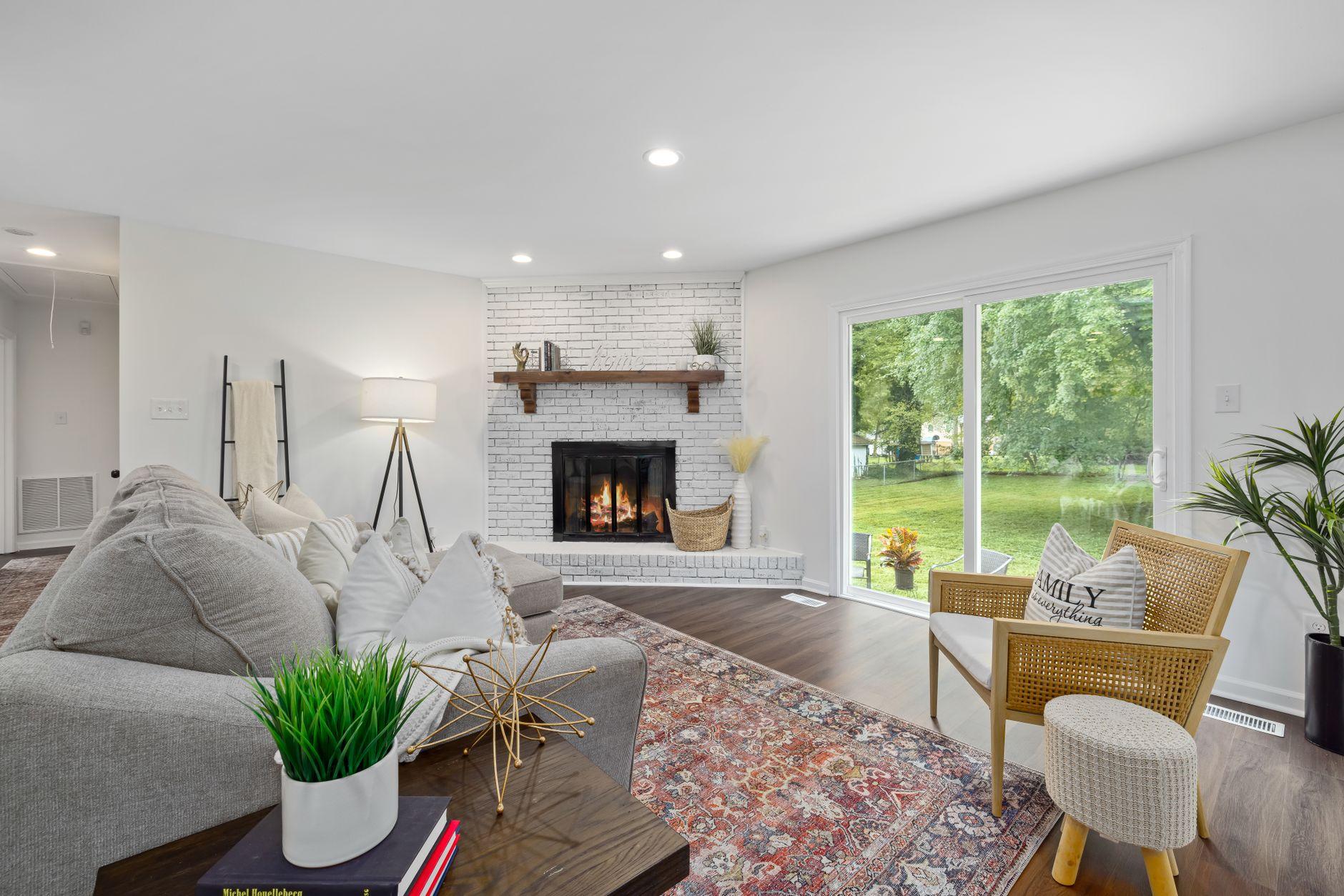
Keep the wood fireplace and burn it better
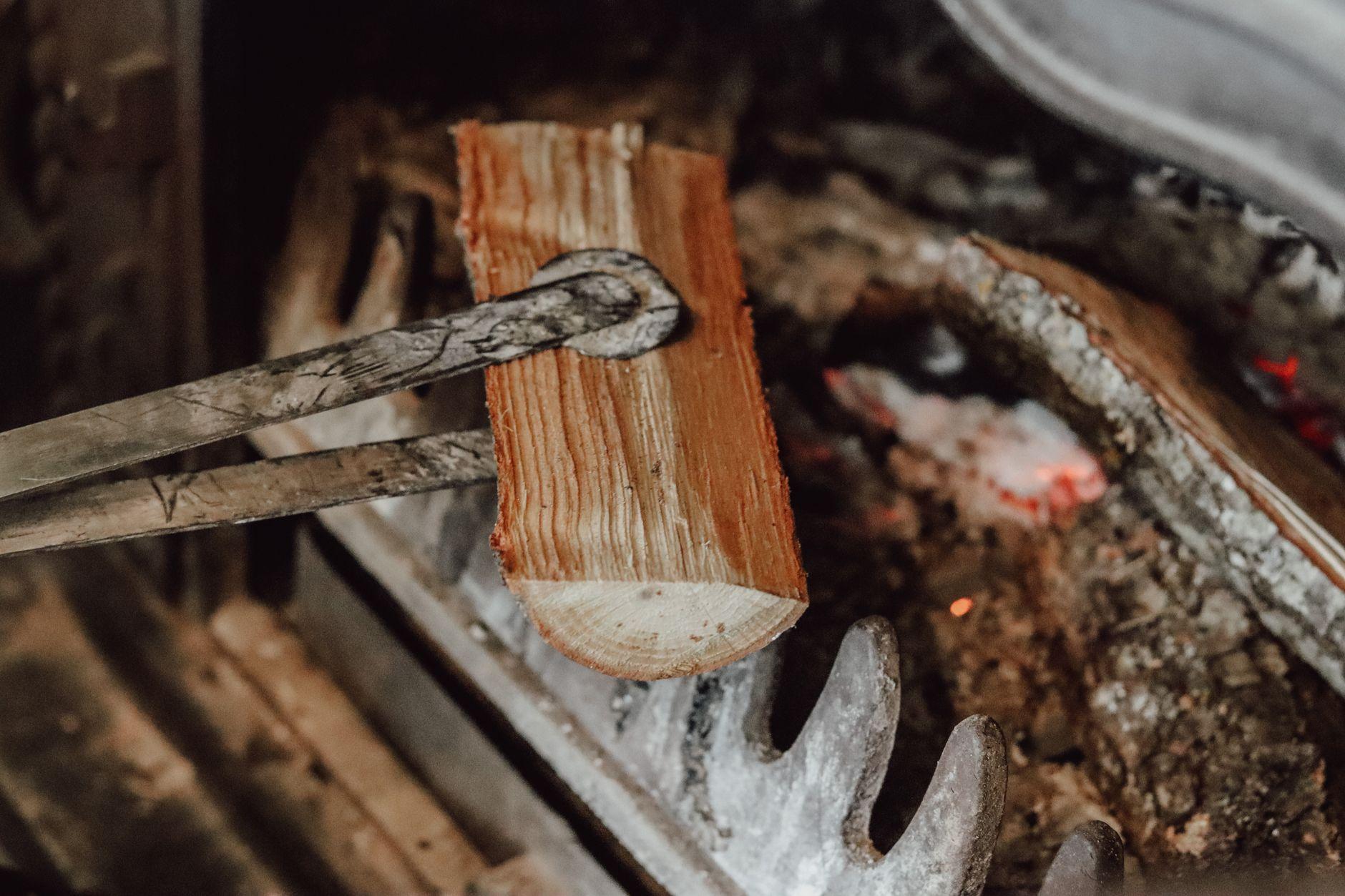
Some owners want to keep wood and accept that some winter evenings are off limits. On the days burning is allowed, the aim is less smoke. That comes from dry, split hardwood, a damper that opens fully, a hot fire rather than a smouldering one and a clean flue. A chimney sweep starts from $430 and is where this path begins. It keeps you under the bans, but it is the least expensive choice.
Add a gas log set
A set of ceramic logs with a gas burner turns the opening into a gas fireplace with the look of a wood fire. It is not caught by the bans. It is mostly decorative, since an open damper lets much of the heat leave, but for a family that wants a flame on a cold evening it is a modest project. Our fireplace gas logs page explains the visit; the price is set once we have seen the firebox and the gas supply.
Fit a sealed gas insert
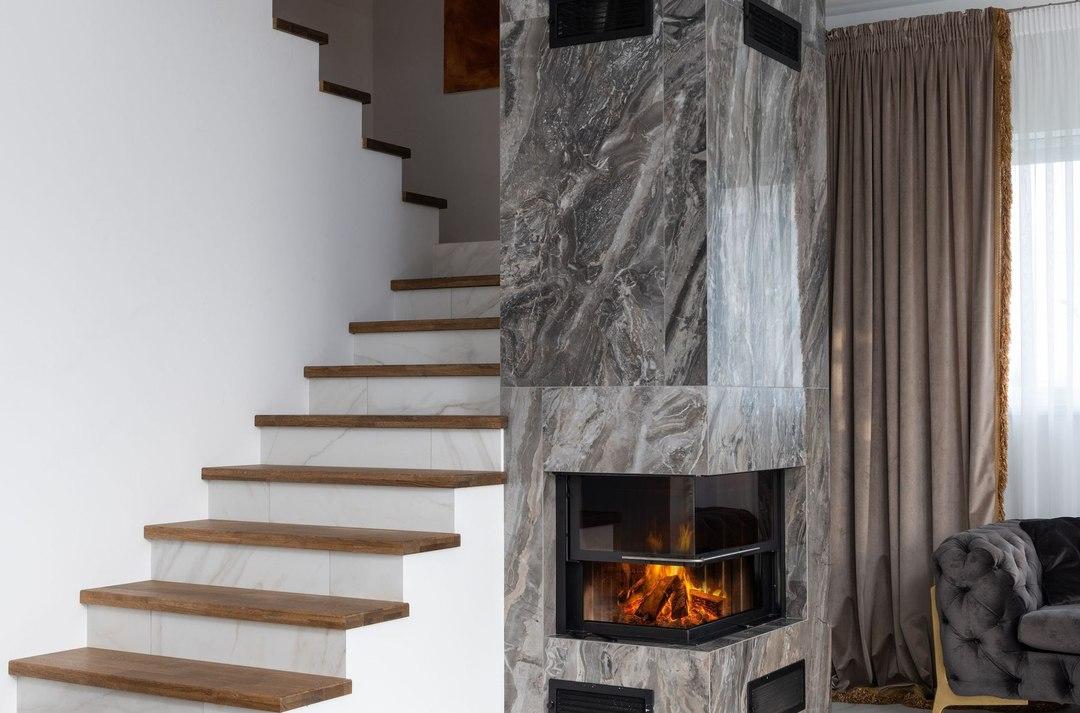
A gas insert closes the opening with a glass-fronted box and vents through a new liner. It heats the room well, gives off no wood smoke and works through every no-burn alert. Our published range is $2,850 to $5,750 for a gas insert in a fireplace you already have. This is the change most Cypress owners choose when they want the fireplace back in regular use.
Fit a cleaner wood insert or stove
A modern wood insert or stove burns far more cleanly than an open hearth and uses less wood for the heat. It is still wood, so the bans still apply. It suits owners who want wood on permitted days and less smoke on all of them.
What decides the price of an upgrade
Whichever option you lean toward, the same things set the figure:
- The size and shape of the firebox, which limits which logs or units fit.
- Whether a gas line already reaches the hearth.
- The height and condition of the flue, which matters for any insert that needs a liner.
- Repairs the chimney needs before anything new goes in, such as a cracked crown or a broken firebox floor.
Use the form to tell us which of the four options appeals and whether there is gas at the hearth now, and we will book a visit and return written prices for the choices that fit your fireplace.
Why the flue gets checked before any change
Any new insert or stove changes how the chimney is used. The national fire code for chimneys, NFPA 211, treats that as a moment for the camera-based inspection rather than a look from the hearth. Our Level 2 inspection is $405. It tells us whether the existing flue can take a liner, whether repairs come first, and what we should put in the quote. The post on why a Level 2 comes before a new insert goes into what the camera looks for.
Neighbors, smoke and the street
Part of the reason for the bans is plain geography. On calm winter nights, smoke from chimneys all across Cypress, Cerritos, Lakewood and the surrounding cities sits low over the streets. A switch to gas, or even a cleaner burning habit, reduces what one house adds to that. For many owners, that matters as much as the use of the fireplace itself.
Smoke inside the house matters too. An open fire on a still evening can push fine particles back into the room whenever the draft stalls, and those particles settle in fabric and in lungs alike. A sealed unit, gas or wood, keeps the fire's air and the room's air apart, which is a large part of why owners who switch notice the difference indoors first.
Getting the fireplace back in use
To price an upgrade, head to our contact page and say which fireplace or stove you have now. Our fireplace inserts page sets out what the measuring visit covers.
Want a Hotter, Cleaner Fire at Home?
Carmichael Chimney Sweep looks at the firebox, the damper, the flue and the cap, then tells you what holds the burn back and what fixing it costs. Book from Cypress, Cerritos, Lakewood or Garden Grove.