Why Cypress households ask about inserts
Most insert calls that reach Carmichael Chimney Sweep from Cypress begin with smoke rather than heat. A neighbor mentions the smell drifting over the back fence. A child with asthma coughs on the nights the fire is lit. Or the family realizes the fireplace sat cold through every winter alert last season because nobody was sure when they were allowed to light it.
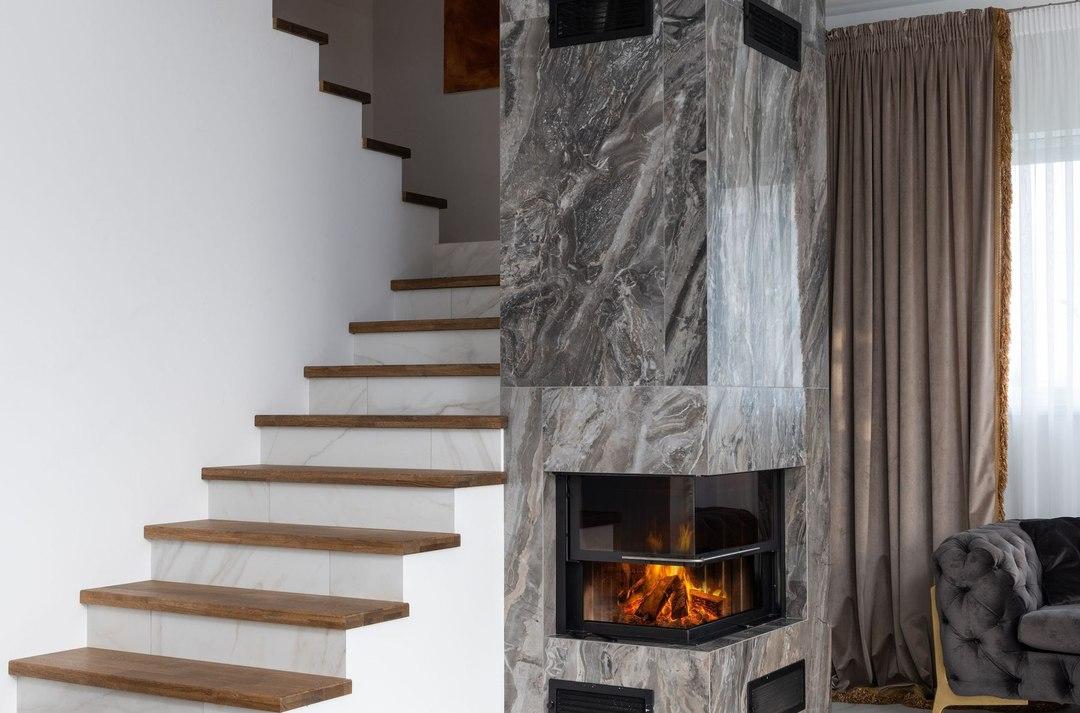
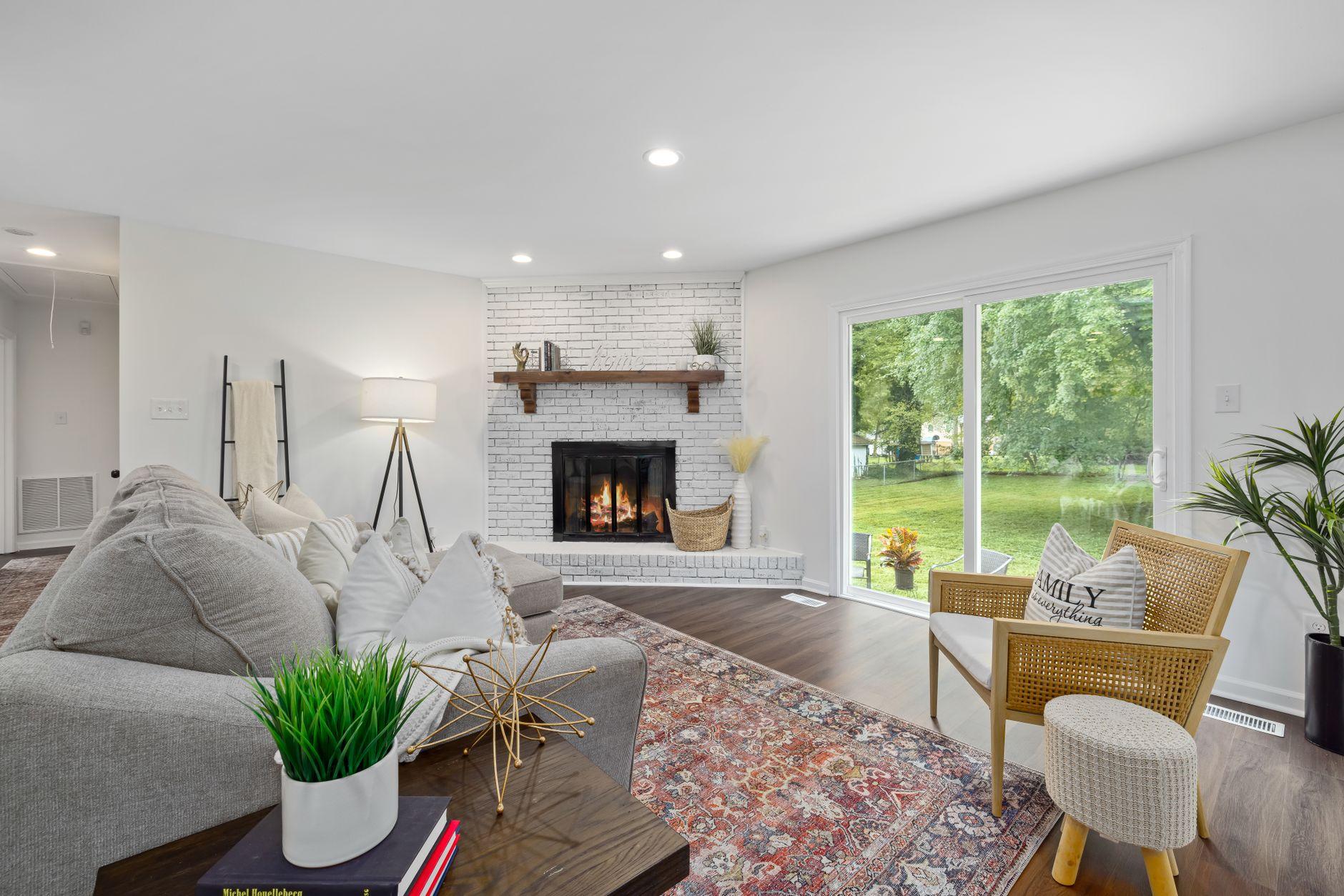
An open masonry fireplace is a poor burner. It pulls a large volume of room air up the flue, the fire never gets very hot, and a good share of what the logs give off leaves the chimney as haze or settles inside the house as a grey film on walls and curtains. An insert changes those numbers. It is a sealed steel or cast iron box that slides into the opening you already have and vents through a new liner to the top of the chimney. The glass front keeps room air away from the flames, so the fire burns hotter and more completely. Less smoke leaves the cap, and almost none finds its way back into the living room.
Our published figure
We carry one published range for inserts, and it is for gas:
- Sealed gas unit fitted into your current opening and hooked up: $2,850 to $5,750
Gas is the cleanest option for a house in Orange County. It gives off no wood smoke, so the air district's winter no-burn alerts, which apply to wood, do not touch it, and it lights from a switch or a remote. The written quote for your house lists exactly what your figure covers.
A wood-burning insert is the other route. A modern one burns logs far more cleanly than an open hearth and still gives the crackle some owners want. We do not publish a wood insert range. The unit choices are wide and the liner work swings more from one chimney to the next, so you get that figure on paper once we have measured.
What sets your gas insert price within the range
The gap between the low and high end comes from things we see during the measuring visit:
- The opening. A shallow, wide or arched firebox narrows the list of units that fit, and units built for odd openings tend to cost more.
- The unit. Heat output, the style of the front, a blower, a remote and the finish all move the figure.
- The gas supply. Some fireplaces already have a stub for a log lighter. Others need a line run from the nearest pipe, which adds labour.
- The vent run. A tall stack, an offset in the flue or a tight clay tile changes how much liner the job takes and how long it takes to feed.
- What the chimney needs first. A cracked firebox floor or a crown that lets rain in goes on the quote as its own line rather than hiding inside the insert price.
Send us the rough width of your fireplace opening and whether a gas line already reaches it, and we will book a measuring visit and return a written figure for the unit you pick.
The chimney gets looked at before anything is ordered
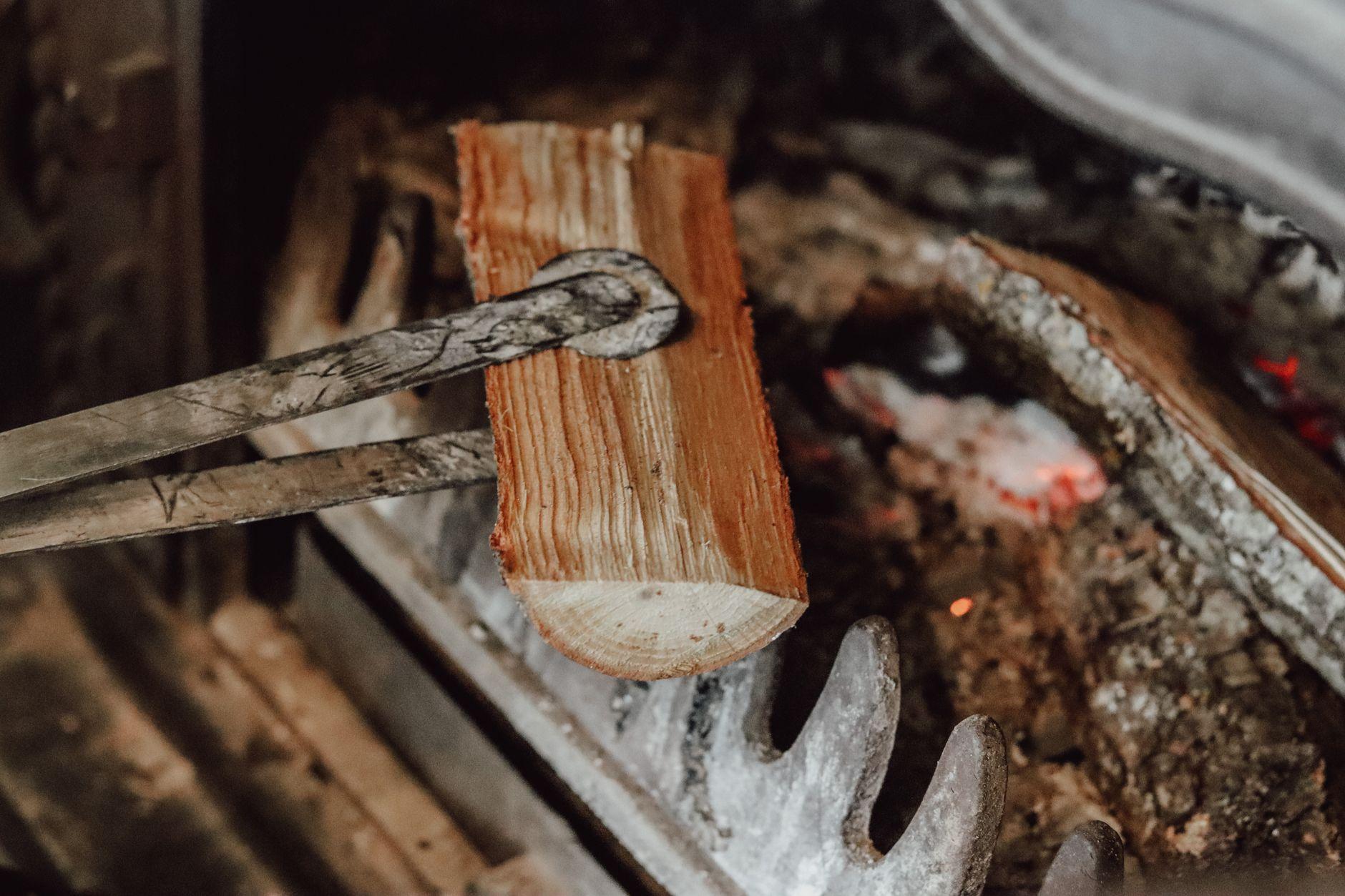
An insert is only as good as the flue above it. Before a unit goes in, the old flue needs to be swept and seen. Years of slow wood fires leave tar-like deposits that should not stay behind a new liner, and a cracked tile or an open joint changes how the liner has to be run. We sweep first, which starts from $430, and we look at the full height of the flue with a camera.
Changing what burns in a chimney is one of the moments the national chimney fire code asks for the deeper, camera-based look. Our Level 2 inspection is $405, and the post on why a Level 2 comes before a new insert explains what it finds and how the result shapes your quote.
What a household notices afterward
Owners in Cypress, Cerritos and Lakewood who have made the change tend to mention the same few things:
- The room stops smelling of smoke the morning after a fire.
- The hearth and the wall above it stay clean.
- With gas, a no-burn alert no longer decides whether the fireplace can be used.
- Heat stays in the room instead of going up the chimney with the room air.
None of that is a promise about your house. It is what a sealed box with a proper liner tends to do compared with an open fire, and the visit is where we tell you how much of it your fireplace can deliver.
How an insert compares with the other choices
A gas log set in an open fireplace looks pleasant, but the damper has to stay open and much of the warmth leaves with the exhaust. It is a cosmetic upgrade more than a heating one. See fireplace gas logs if that is closer to what you want.
Building a brand new gas fireplace into a wall that never had one is a bigger project with its own price on our list: $4,600 to $9,250. It suits a room with no chimney at all, or an owner who wants to close off the old masonry for good.
Keeping the open wood fireplace is the cheapest path. With a yearly sweep, dry wood and a damper that works, it can burn better than it does now, but it will never match a sealed unit for smoke, and it stays under the no-burn rules every winter.
If you are weighing these against each other, our fireplace inserts page lists what each visit includes, and the no-burn days post sets out how the winter rules treat each choice.
Where to go from here
When an insert is on your list for the cooler months, start on the contact page. Mention whether you lean toward gas or wood and roughly how often you light the fireplace now, and we will plan the measuring visit around the answer.
Want a Hotter, Cleaner Fire at Home?
Carmichael Chimney Sweep looks at the firebox, the damper, the flue and the cap, then tells you what holds the burn back and what fixing it costs. Book from Cypress, Cerritos, Lakewood or Garden Grove.