The purchase that needs an inspection first
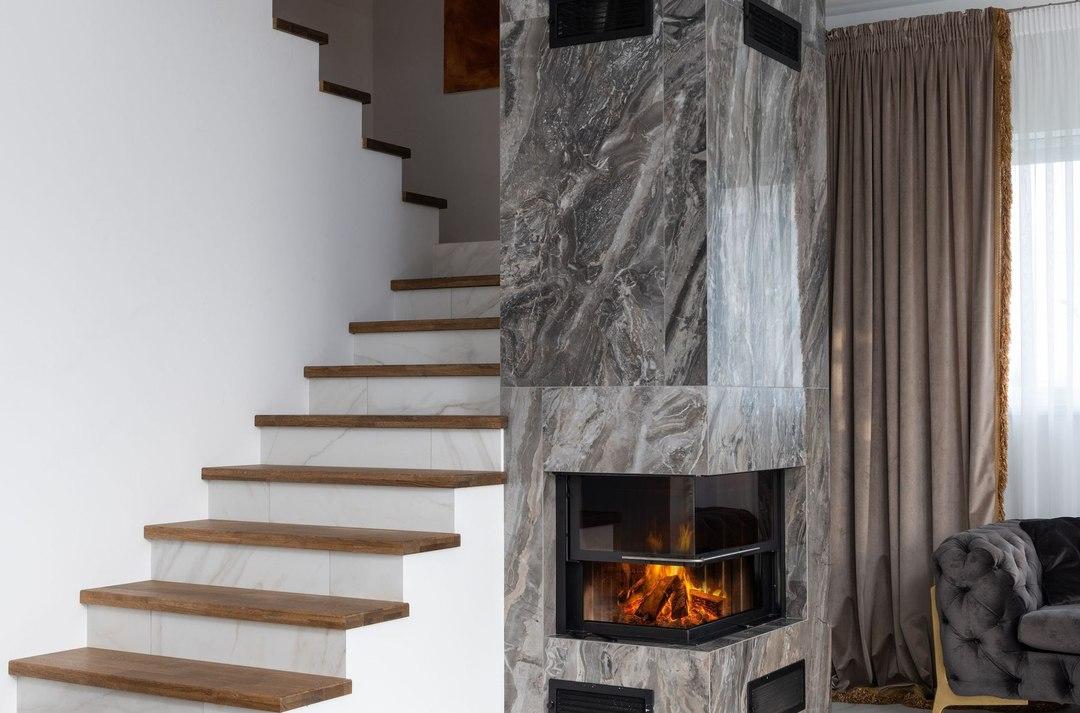
Owners in Cypress buy inserts and stoves to cut smoke, to burn on more evenings and to get real heat from a fireplace that mostly sends warm air up the chimney. It is a sound reason to spend money. But an insert or stove is only half of the system. The other half is the chimney above it, and the chimney is usually decades older than the unit going into it.
That is why Carmichael Chimney Sweep looks at the full flue with a camera before we quote any insert or stove. Our Level 2 inspection is $405, and on a job of this kind it is the step that keeps the rest of the money from going into a chimney that cannot carry it.
What the fire code says about this moment
NFPA 211, the fire code that governs chimneys, fireplaces and vents, describes inspections of increasing depth. The lightest one stays with what an inspector can see and reach from the room and the roof. The deepest means opening up part of the structure, and is rarely needed. The middle one, Level 2, puts a camera inside the flue from bottom to top and includes the stretches of chimney hidden in the attic or under the house.
The code ties the middle inspection to certain events, and changing the appliance that uses a chimney is one of them. Putting an insert into an open fireplace, swapping a wood stove for a pellet stove or moving from wood to gas all count. A sale of the house and damage from a chimney fire or a strong quake are other triggers.
What the camera looks for before an insert
The camera does more than confirm the flue is there. Before an insert or stove, we are looking at:
- The size and shape of the flue, which decides the liner diameter we can run and whether it matches the outlet of the unit you want.
- Cracked, shifted or missing tiles, which a liner can bridge but which affect how we run it.
- Open mortar joints between tiles, where heat and gases can reach the brick and the framing beside it.
- Offsets and bends, which change the type of liner and how much labour it takes to feed.
- Glazed deposits from years of slow fires, which must come out before anything new goes in.
- The smoke chamber and damper area, where the liner passes on its way to the unit.
- The top of the chimney: the crown, the cap and the brick above the roof.
In the attic we check how close the chimney sits to framing and whether anything has been stored against it. On many houses the brick passes within inches of roof timbers, and a hotter appliance makes that gap matter more. Where insulation or boxes touch the chimney, the report says so.
How the result shapes your quote
The inspection does not end in a pass or fail. It ends in a list that feeds straight into the insert or stove price:
- A flue in good shape with a clean path gives the simplest liner run and a quote at the lower end.
- A flue with offsets, a tight tile or heavy glaze adds liner, cleaning or labour.
- Damage at the top, such as a broken crown or a missing cap, becomes its own line, priced where our list has a figure and measured where it does not.
- Rarely, the chimney needs more work than the upgrade is worth, and we say that before you buy anything.
For gas, our published insert range is $2,850 to $5,750, and the inspection is what tells us where in that range your job sits. A cap, if needed, is quoted after we measure, and the price depends on size and material.
Use the form to say what you plan to install and when the chimney was last swept, and we will book the Level 2 and follow it with a written figure for the whole job.
Why not skip it and just measure?
Measuring the opening, ordering a unit and dropping a liner without seeing the flue can work out on a sound chimney. On a chimney with a cracked tile or a gap in the joints, the new liner hides a problem rather than solving it, and on a chimney with heavy glaze it leaves fuel behind a hot new appliance.
There is a smoke reason too. An insert is chosen for cleaner burning, and it burns cleanly only with the right draft. A liner of the wrong size or a run that fights a sharp offset will spoil the draft, and the unit will smoke on start-up or burn sluggishly. The camera is how we size the liner to the chimney and the unit together.
It also keeps the purchase honest. You learn what the chimney needs before the unit is ordered, not after it is sitting in the garage waiting for a flue that is not ready.
Who receives the report
The report goes to you, with photos and the camera footage. If a gas fitter, a contractor or a lender needs it, add them to the list when you book. If you are buying a house in Cypress and planning an insert straight after closing, the same Level 2 can serve both purposes; see our home sale inspection page.
Related reading
The insert prices post lists the options and what they cost, and the chimney liner pricing post explains the liner itself.
Book the inspection
Booking starts on our contact page. Say what you plan to install and which room the fireplace is in, and we will arrange the camera visit.
Want a Hotter, Cleaner Fire at Home?
Carmichael Chimney Sweep looks at the firebox, the damper, the flue and the cap, then tells you what holds the burn back and what fixing it costs. Book from Cypress, Cerritos, Lakewood or Garden Grove.